Our Services
Root Canal Treatment
Gentle, precise care that treats infection, relieves pain, and helps preserve your natural tooth.
Book Your Root Canal ConsultationAbout Root Canal
What is Root Canal Treatment?
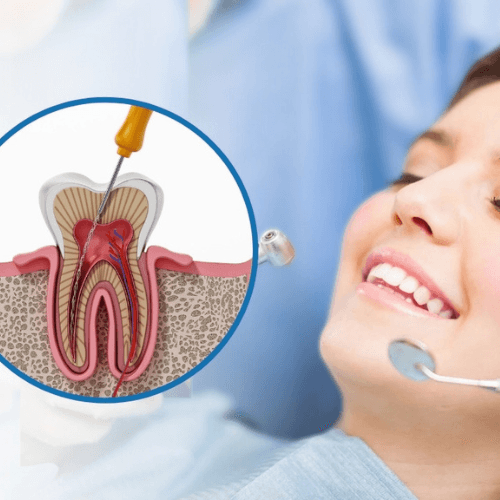
Root Canal Treatment (RCT), also known as endodontic treatment, is a procedure used to treat infection or damage inside a tooth. At the center of every tooth is a soft tissue called the dental pulp, which contains nerves and blood vessels. When this pulp becomes infected due to deep decay, cracks, trauma, or repeated dental procedures, it can cause severe pain and swelling.
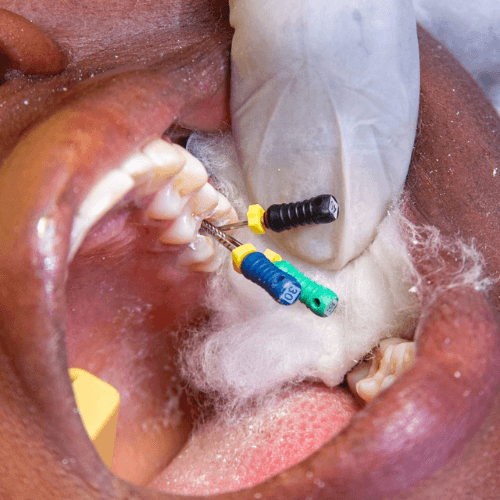
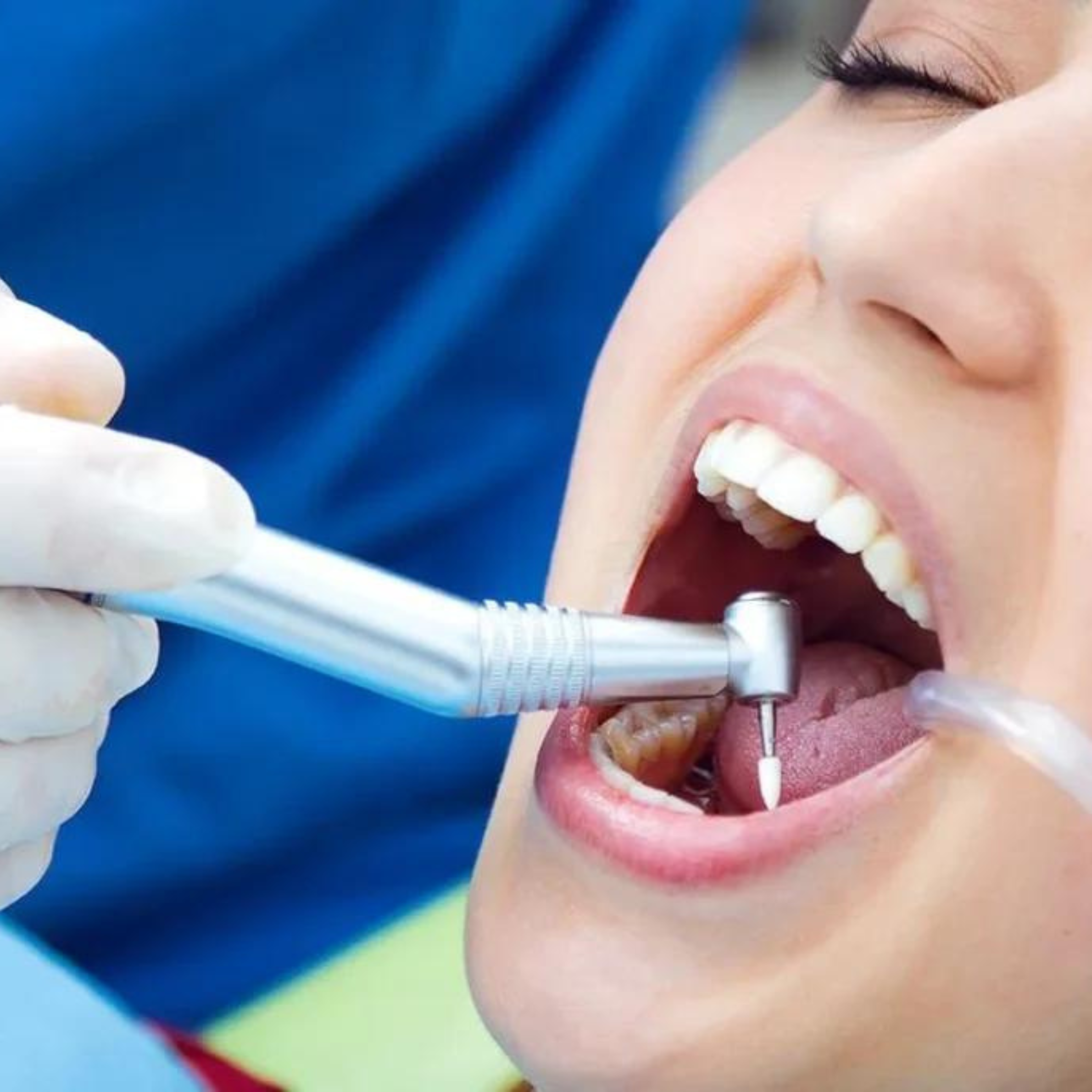
During a root canal treatment, the infected pulp is carefully removed, the root canals are cleaned and disinfected, and the space is sealed to prevent further infection. In most cases, a dental crown is then placed to restore the tooth's strength and appearance.
Contrary to common belief, modern root canal treatment is designed to relieve pain—not cause it. With advanced techniques and effective local anesthesia, the procedure is typically no more uncomfortable than getting a dental filling.
Key Advantages
Benefits of Root Canal
Relieves tooth pain and sensitivity
Eliminates infection from inside the tooth
Saves your natural tooth
Prevents the spread of infection
Restores normal chewing function
Maintains your natural smile
Avoids the need for tooth extraction
Long-lasting solution with proper care
Symptoms
Signs You May Need a Root Canal
A dental examination and X-ray are necessary to determine whether root canal treatment is the right solution for your tooth. You may require RCT if you experience:
RCT Solutions
Our Root Canal Treatment Options
1. Painless Root Canal Treatment
What is Painless Root Canal Treatment?
Modern dentistry has transformed root canal treatment into a comfortable procedure. With effective local anesthesia, advanced rotary instruments, and gentle techniques, patients typically experience little to no pain during treatment. Our focus is on removing the source of your pain while ensuring you remain comfortable throughout the procedure. Most patients are surprised to find that the treatment feels similar to having a routine dental filling.
When Should You Choose Painless Treatment?
- Persistent tooth pain and swelling
- Deep cavities reaching the pulp
- Infected or inflamed dental pulp
- Tooth sensitivity that does not improve
- Dental abscess formation
Key Benefits
- Comfortable treatment experience
- Quick pain relief
- Saves your natural tooth
- Faster recovery with modern techniques

2. Laser Root Canal Treatment
What is Laser Root Canal Treatment?
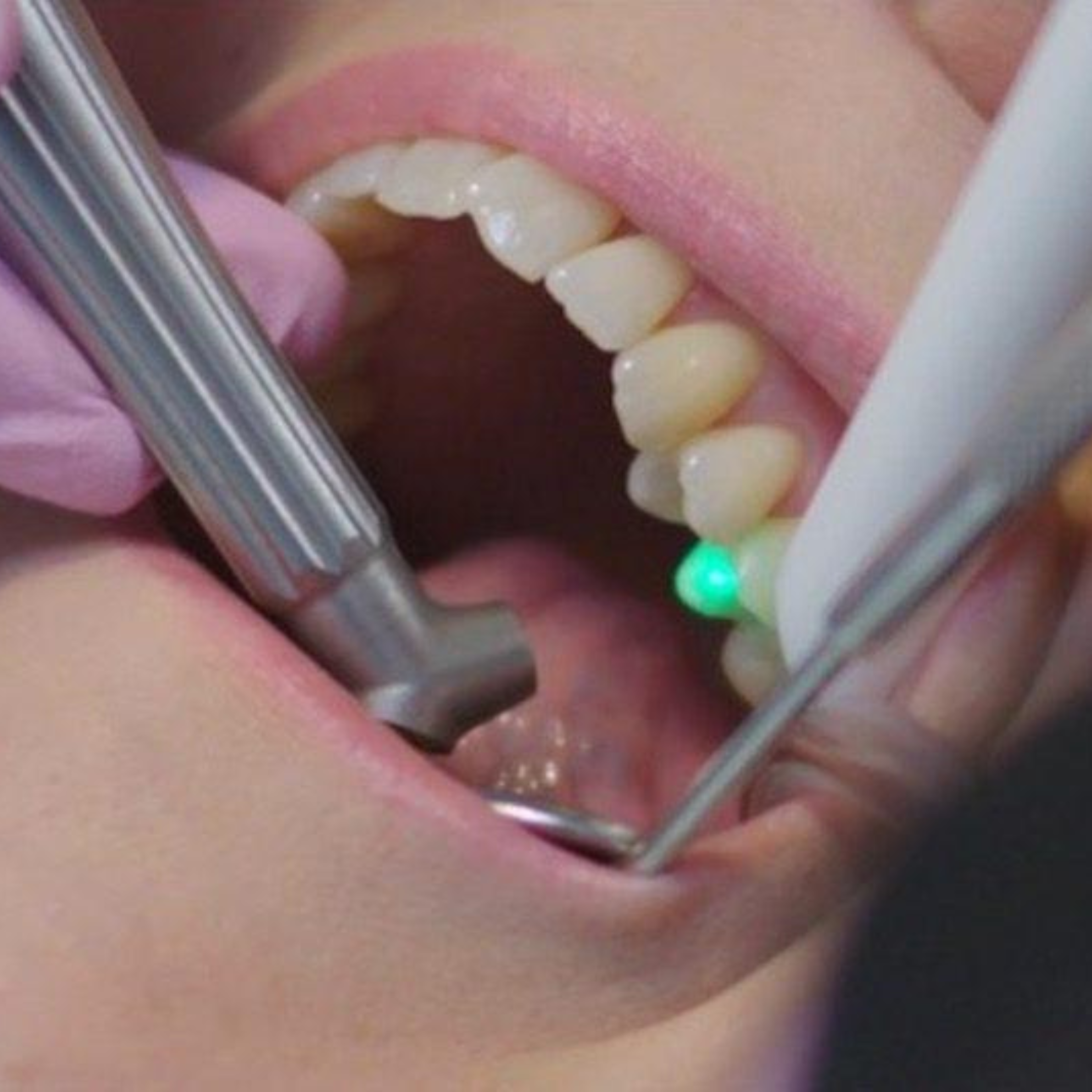
Laser Root Canal Treatment combines conventional root canal therapy with advanced dental laser technology to enhance cleaning and disinfection of the root canal system. The laser helps reduce bacteria in areas that may be difficult to reach with traditional instruments alone, supporting a cleaner treatment environment. Laser-assisted techniques may also improve patient comfort and promote healing in selected cases.
When Should You Choose Laser-Assisted RCT?
- Persistent bacterial infection
- Complex root canal anatomy
- Deep canal infections
- Recurrent infections
- A need for enhanced canal disinfection
Key Benefits
- Enhanced disinfection of root canals
- Significantly reduced bacterial load
- Conservative treatment approach
- Supports successful healing
3. Single Sitting Root Canal Treatment
What is Single Sitting Root Canal Treatment?
In many cases, root canal treatment can be completed in just one appointment. Using advanced rotary endodontic systems and digital imaging, the infected pulp can be removed, the canals cleaned, and the tooth sealed during a single visit. Not every tooth is suitable for single-visit treatment. The decision depends on factors such as the extent of infection, the condition of the tooth, and your overall oral health.
When Should You Choose Single Sitting RCT?
- Uncomplicated tooth infection
- Minimal swelling in the gum area
- Need treatment completed quickly
- Limited availability for multiple appointments
- Clinically suitable based on evaluation
Key Benefits
- Treatment completed in one visit
- Fewer appointments needed
- Immediate relief from pain
- Convenient for busy schedules
4. Re-Root Canal Treatment (Re-RCT)
What is Re-Root Canal Treatment?
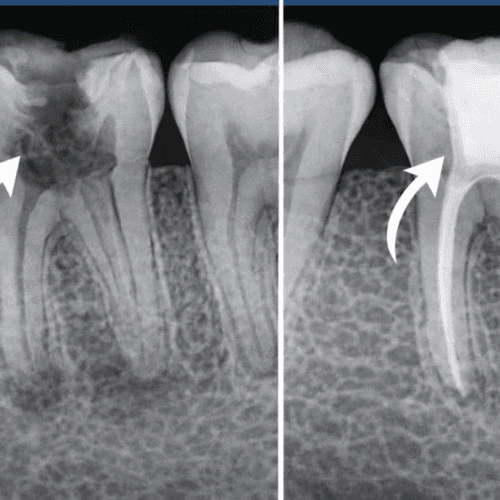
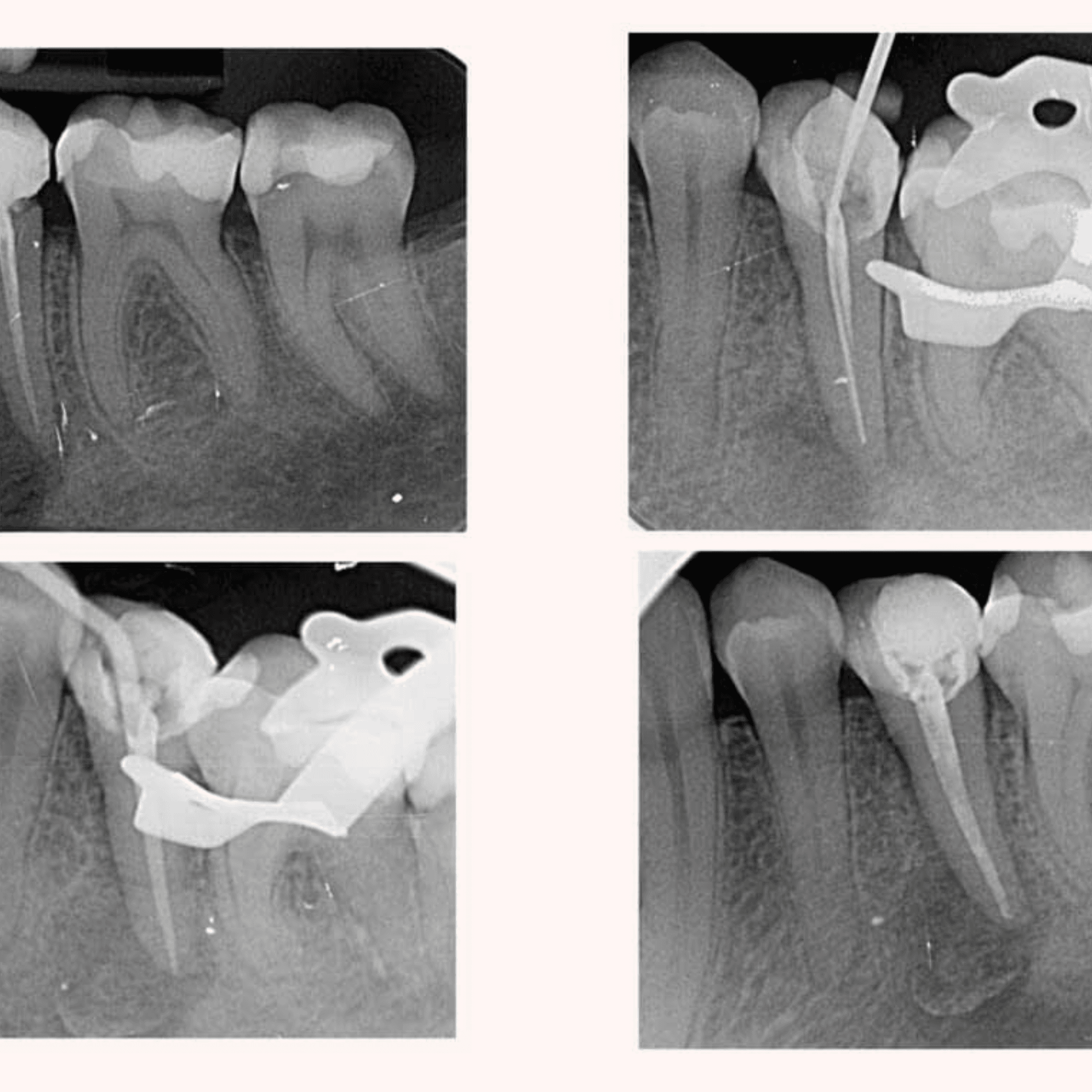
Although root canal treatment has a high success rate, there are situations where a previously treated tooth may become infected again. This may occur due to new decay, missed canals, a cracked tooth, or leakage around an old filling or crown. Re-Root Canal Treatment, also known as root canal retreatment, involves reopening the tooth, removing the previous filling material, thoroughly cleaning and disinfecting the canals again, and resealing the tooth to eliminate infection and preserve the natural tooth whenever possible.
When Should You Choose Re-RCT?
- Pain in a previously treated tooth
- Swelling around treated tooth
- Persistent or new infection
- Failed previous root canal treatment
- Visible changes on dental X-rays
Key Benefits
- Saves a previously treated tooth
- Eliminates recurring infection
- Avoids tooth extraction when possible
- Preserves your natural smile long-term
Why Choose Our Root Canal Treatment?
We understand that many patients feel anxious about root canal treatment. That's why we focus on providing gentle, patient-centered care using modern equipment and advanced techniques to make your experience as comfortable as possible. From digital diagnosis to precise treatment planning, every step is designed to relieve pain, eliminate infection, and preserve your natural tooth. Whether you require a routine root canal, laser-assisted treatment, or retreatment of a previously treated tooth, our goal is to restore your oral health with predictable, long-lasting results.
Book Your Root Canal Consultation